
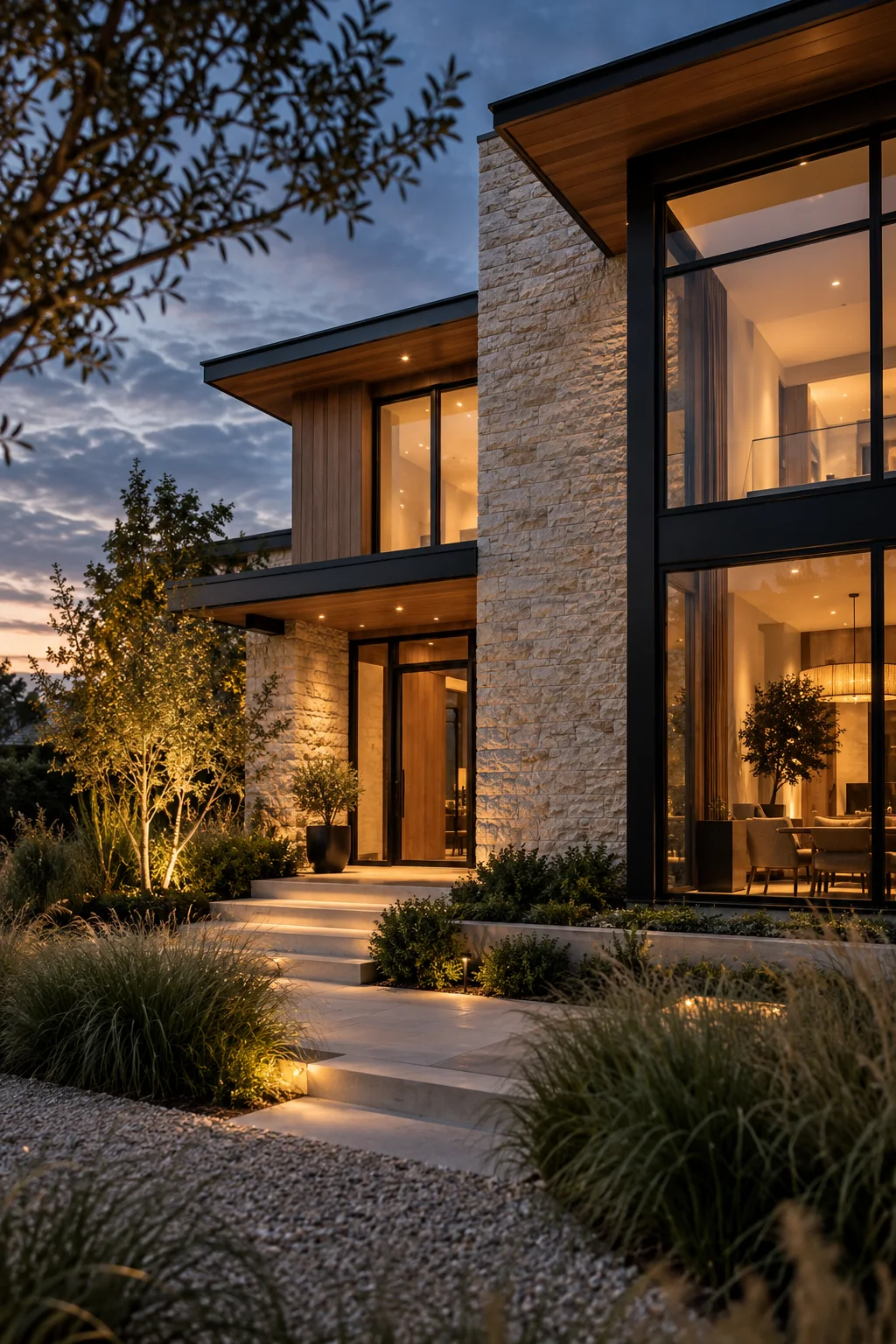
Fence planning starts with the site
Describe whether the project is a repair, a replacement or a new fence. Approximate length, desired material, gates and access are useful starting points. Property boundaries, utility locations and applicable city or association requirements must be checked before installation is agreed.
Epoxy needs the right preparation
For an epoxy floor inquiry, tell us about the existing concrete, its use and any visible damage or moisture concerns. Surface preparation and the suitability of the substrate are central to the project. A coating should not be presented as a cure for an unresolved underlying problem.
Tie exterior work into the overall schedule
Delivery routes, access to the garage and other construction at the property can affect sequencing. If you are planning multiple improvements, submit them together so the scope discussion can account for these connections.
Fence replacement: describe what is changing
Include photos of the existing fence, approximate length, gate locations and the height or style you have in mind. Explain whether the goal is privacy, appearance, access or replacement of damaged sections. Keep shared boundaries and any property documents available for the discussion. The scope should distinguish removal, disposal, posts, panels, gates and finishing so the proposed work is understandable before scheduling.
Gates and access deserve their own decisions
Consider what needs to move through each gate: people, maintenance equipment or larger deliveries. Note the ground conditions and nearby landscaping that may affect access to the work area. Discuss latch preferences and which side of the fence is visible from each part of the property. The team should review the actual location before dimensions or installation arrangements are finalized. Confirm any applicable city or association requirements for that address.
For epoxy, start with the slab’s history
Tell us whether the concrete has an existing coating, known repairs, stains or visible changes. Photos help describe the starting point, but they cannot confirm every preparation or moisture condition. Ask what assessment is needed, how existing material will be addressed and what the selected coating system requires. Surface preparation should be a defined part of the proposal rather than an unspoken assumption behind the finish photograph.
Choose a garage finish around its use
Explain whether the garage is primarily for parking, storage or other household use. Discuss the desired appearance, cleaning expectations and how the selected finish is intended to perform in those conditions. Product information matters when comparing coating options: a similar color or flake pattern does not mean two systems have the same installation or care requirements. Ask for the actual system to be identified in the proposal.
Schedule the return to normal use
Before the work begins, arrange temporary storage and ask when the space can be used for its different purposes. The answer depends on the selected materials, conditions and project instructions, so do not assume that walking access and vehicle access resume at the same time. Coordinate deliveries and other renovation work to avoid treating a newly finished garage as a staging area before it is ready.
Good questions. Clear answers.
Can I combine this with an interior renovation?
Include both scopes in the same consultation request. The team will review availability, sequencing and the requirements of each part.
Do I need to know the exact fence length?
An approximate length and photos help the first discussion. Final quantities, boundaries and site conditions need to be established before the work is agreed.
Can epoxy hide damaged concrete?
Appearance and underlying suitability are different questions. Existing defects or moisture concerns need assessment; a decorative coating should not be treated as a substitute for resolving an underlying issue.
How soon can I park on the finished floor?
Follow the agreed return-to-use instructions for the selected coating system and conditions. Ask for those instructions before scheduling vehicles, storage or other work back into the garage.